
Maximizing CMS compliance is crucial for Ambulatory Surgery Centers (ASCs) to ensure patient safety, operational efficiency, and eligibility for Medicare and Medicaid programs. Adhering to the latest CMS guidelines can be challenging, but with the right strategies and tools, ASCs can streamline their compliance efforts and enhance their overall operations.

The Importance of CMS Compliance
Ensuring Patient Safety and Quality of Care
CMS guidelines are designed to ensure that ASCs provide high-quality care and maintain patient safety. Compliance with these guidelines helps prevent medical errors, improve patient outcomes, and build trust with patients and regulatory bodies.
Maintaining Eligibility for Medicare and Medicaid
Adhering to CMS guidelines is essential for ASCs to participate in Medicare and Medicaid programs. Non-compliance can result in penalties, loss of funding, and damage to the ASC’s reputation.
Key Areas of CMS Compliance
Patient Rights
Ensuring that patient rights are protected is a cornerstone of CMS guidelines. ASCs must develop comprehensive policies to ensure patients are informed about their treatment options, have the autonomy to make healthcare decisions, and feel secure about their privacy.
Infection Control
Implementing effective infection control measures is critical to safeguarding patient safety. ASCs must maintain a dynamic infection control plan that includes strategies for preventing, identifying, and managing infections, based on the latest evidence-based practices.
Emergency Preparedness
ASCs must maintain comprehensive emergency preparedness plans that cover potential scenarios like natural disasters and pandemics. Effective emergency preparedness involves staff training, clear communication protocols, and contingency plans for critical patient care services.
Quality Assessment and Performance Improvement (QAPI)
The QAPI program is essential for CMS compliance. It involves systematically identifying areas for improvement and implementing strategies to enhance patient outcomes. ASCs must develop mechanisms for reporting and addressing adverse events and near misses, fostering a culture of safety and transparency.
Strategies for Maximizing CMS Compliance
Staying Informed
Regularly monitor the CMS official website and subscribe to newsletters to stay updated on policy changes. Participate in relevant healthcare forums and workshops to gain insights and updates.
Leveraging Technology
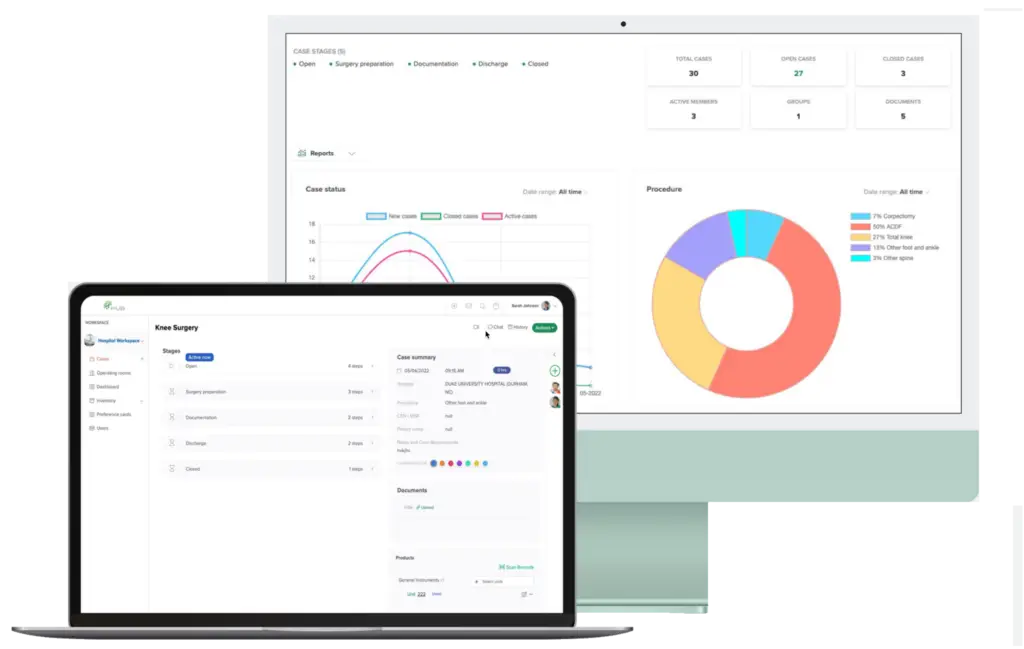
Utilize healthcare management software like HUB Healthcare to maintain compliance with CMS guidelines. HUB Healthcare offers features such as medical case management, healthcare document management, and healthcare analytics to optimize patient care and streamline operations.
Enhancing Communication and Collaboration
Implement systems that facilitate real-time communication and collaboration among healthcare providers. Effective communication is critical for compliance and quality care.
Conducting Regular Audits
Regular internal audits help identify areas of non-compliance and make necessary adjustments. Audits should cover all aspects of CMS guidelines, including patient rights, infection control, and emergency preparedness.
Training and Education
Continuous training and education on CMS guidelines are essential for all ASC staff members. Workshops, webinars, and training sessions ensure staff are well-informed about the latest policy changes and best practices.
How HUB Healthcare Can Help
HUB Healthcare offers a comprehensive solution designed to enhance communication in healthcare, streamline care coordination, and improve overall workflow efficiency. Our platform includes features such as medical case management software, healthcare document management, and healthcare analytics to ensure that all aspects of patient care are optimized. By leveraging HUB Healthcare’s robust tools, organizations can reduce workflow bottlenecks, automate repetitive tasks, and facilitate better collaboration among healthcare providers. This not only improves work quality but also enhances patient outcomes, making HUB Healthcare an essential partner in achieving healthcare excellence.
For more information on how HUB Healthcare can optimize your compliance management processes, visit our Help Center.
Conclusion
Maximizing CMS compliance is essential for the success and reputation of Ambulatory Surgery Centers. By staying informed, leveraging technology, enhancing communication, conducting regular audits, and ensuring ongoing training, ASCs can maintain high standards of care and operational excellence. Implementing HUB Healthcare can significantly aid in this process, providing a comprehensive solution to streamline operations and improve patient outcomes.